Built for Research, Readiness, and the Future of Space
S.T.A.R.F.U.R.A. brings together engineering thinking, educational access, and exploration strategy to help shape a more prepared future beyond Earth.
What S.T.A.R.F.U.R.A. Stands For
S.T.A.R.F.U.R.A. stands for Strategic Technological Advanced Research for Futuristic Universal Reach and Aerospace.
The organization is built on the belief that progress in space must be researched rigorously, communicated clearly, and developed with long-term human impact in mind.
From early-stage concepts to real-world applications, S.T.A.R.F.U.R.A. focuses on prototyping systems, expanding educational access, and preparing for the demands of Moon, Mars, and deep-space missions.
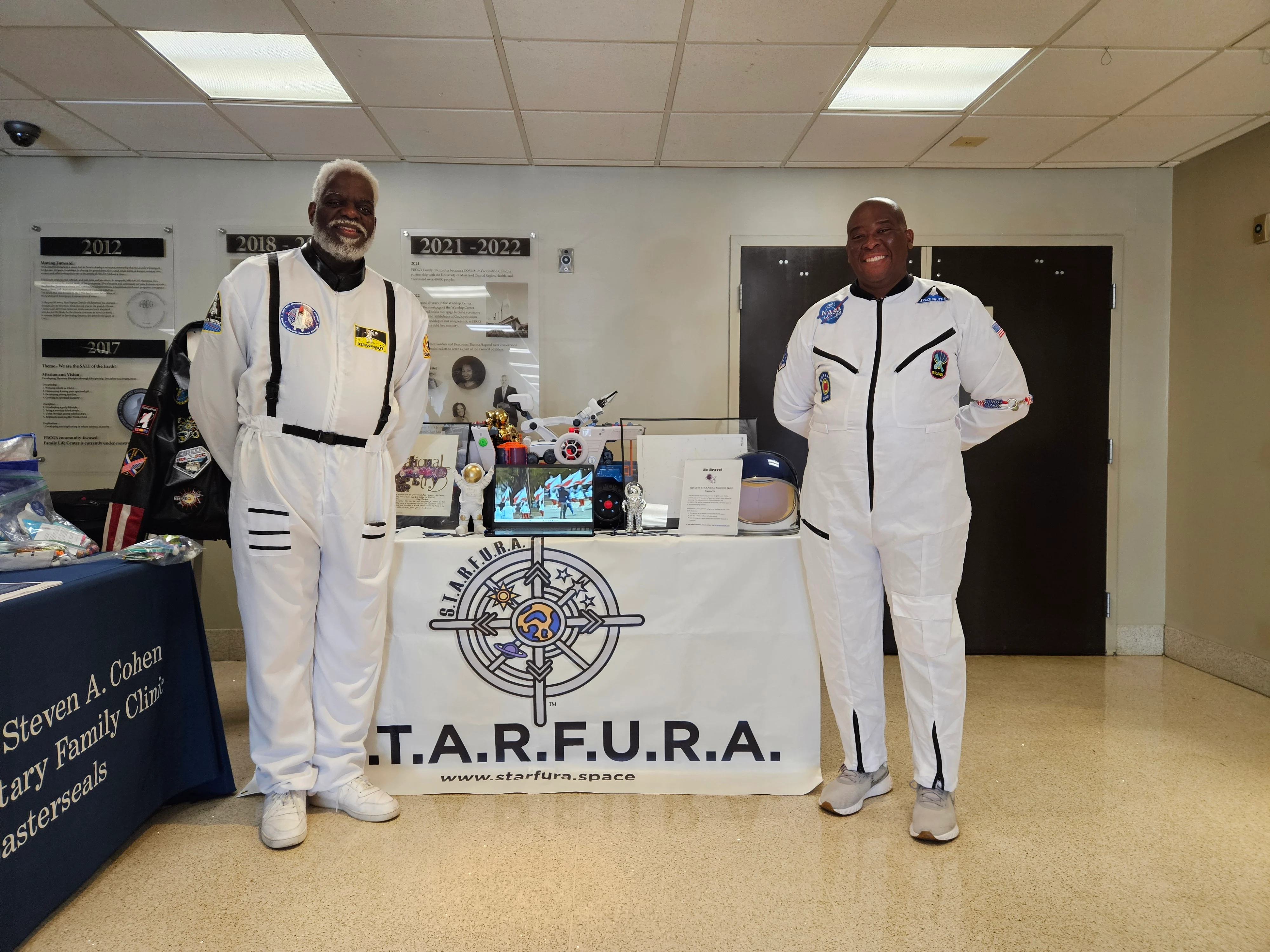
Built on Practical Space Work.
S.T.A.R.F.U.R.A. is guided by a founder-led vision that treats aerospace as infrastructure, preparation, and long-term mission work not just spectacle.
The focus is on work that can be studied, taught, improved, and applied over time.
Operating Principles
Ideas should move toward systems, processes, and realistic mission use.
Students and emerging professionals need visible entry points into aerospace work.
Every concept should be tested against long-duration realities, not short-term novelty.
Space Prototyping
Innovation-driven habitat design, rapid prototyping, and engineering problem solving for future off-world living.
What We Do
- Develop early-stage habitat concepts and test how they hold up under harsh environmental constraints.
- Translate big exploration ideas into practical systems, components, and build sequences.
- Use prototyping cycles to surface failures early and improve mission-ready engineering decisions.
Why It Matters
Human presence beyond Earth depends on systems that can be built, repaired, and trusted. Prototyping reduces risk before those systems ever leave the ground.
Outcome
Design pathways, field-tested concepts, and engineering lessons that support safer and more resilient space infrastructure.

Space Education
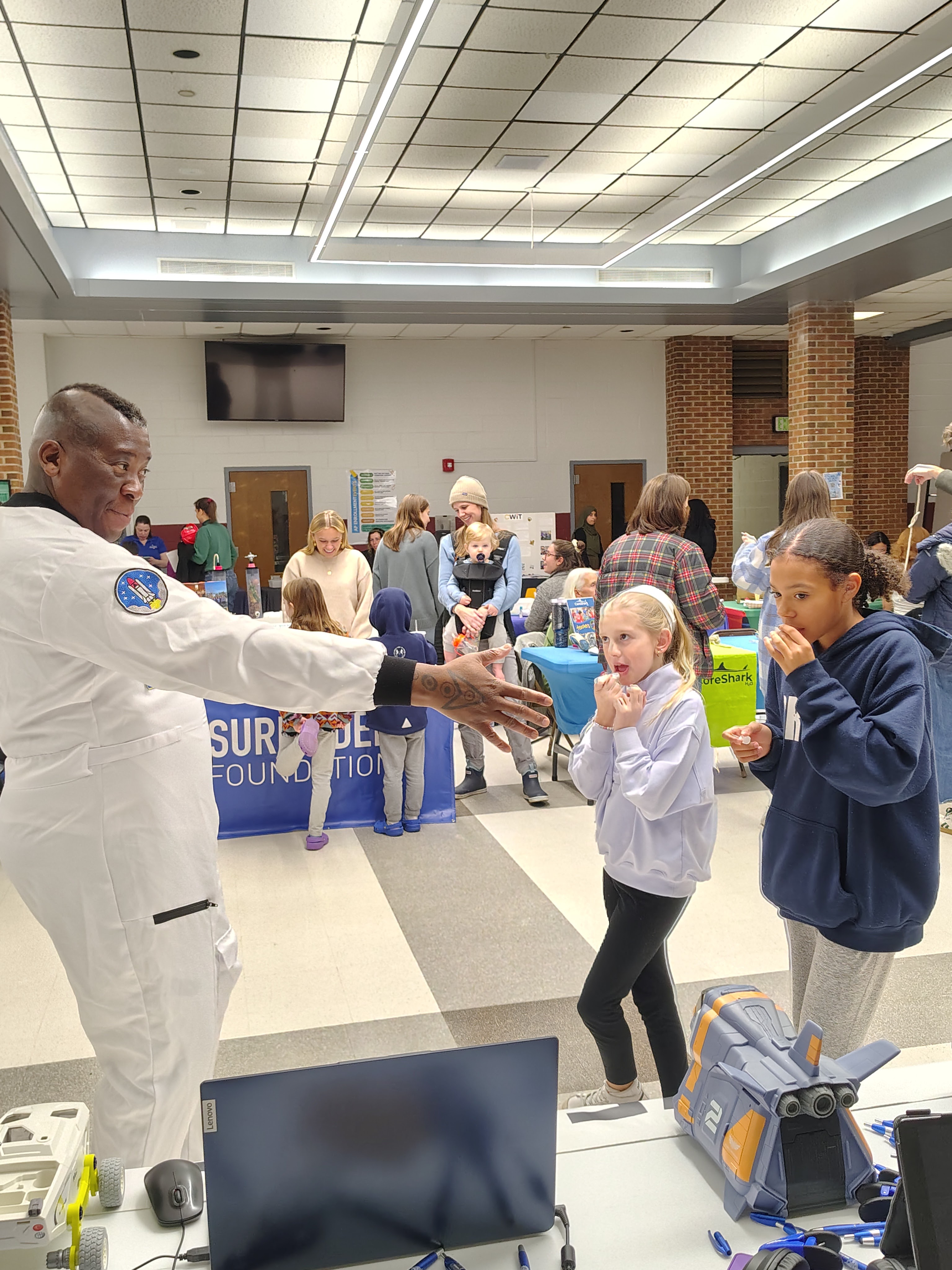
Pathway development, NASA exposure, mentorship, and career guidance for the next generation of builders and researchers.
What We Do
- Create learning experiences that connect aerospace curiosity to real academic and career pathways.
- Introduce students to research culture, systems thinking, and mission-based problem solving.
- Build mentorship and exposure opportunities that make advanced space work feel reachable.
Why It Matters
Long-term progress in aerospace requires more than technology. It also requires people who are prepared, confident, and able to enter the field with purpose.
Outcome
A stronger talent pipeline shaped by mentorship, practical exposure, and clearer access to aerospace education and careers.
Deep Space Exploration
Moon and Mars concepts, future mission strategy, and long-duration travel planning for the next era of exploration.
What We Do
- Study mission concepts for lunar and Martian operations with attention to survivability and logistics.
- Explore how autonomy, resource planning, and systems integration support long-duration travel.
- Frame future-facing strategies that connect present research to the realities of deep-space deployment.
Why It Matters
Deep-space travel is not only a technical challenge. It is a planning challenge that requires disciplined thinking about endurance, isolation, and future mission architecture.
Outcome
Forward-looking strategies and exploration frameworks that help bridge the gap between concept work and long-horizon missions.